
Home » The Death of Payback Periods
The Death of Payback Periods:


Payback Was Useful, Until It Wasn’t
- Capital was scarce
- Energy prices were stable
- Assets were bought outright
- Maintenance and performance risk sat firmly with the customer
But modern businesses don’t run on static assumptions. Energy prices are volatile, capital allocation is scrutinised quarterly, and boards increasingly prioritise cash-flow predictability over theoretical long-term returns.
- What happens to cash flow before payback
- Who carries operational and performance risk
- The opportunity cost of tying up capital
- The impact on covenants, credit lines, and borrowing capacity
How CFOs Actually Approve Projects Today
Inside finance teams, renewable investments are no longer evaluated as engineering projects. They are evaluated as financial commitments competing with everything else the business could do with its cash.
- Is this cash-flow positive from day one?
- Does it sit on or off balance sheet?
- Who owns performance, maintenance, and obsolescence risk?
- How predictable are the costs over the contract term?
- Can we exit, upgrade, or expand without re-approvals?
That’s why we increasingly see projects with “excellent payback” rejected, while service-based contracts with lower headline IRRs sail through approval.
Cash Flow Beats Payback, Every Time
Modern approval decisions are driven by net monthly impact, not long-term recovery of capital.
If a project:
- Requires upfront CAPEX
- Adds operational complexity
- Introduces long-term performance risk
- Consumes internal management time
It faces far more resistance than a solution that:
- Is cash-flow neutral or positive
- Has a single predictable monthly charge
- Transfers risk away from the customer
- Is treated as an operating service, not an asset
This isn’t a sustainability argument. It’s a commercial one.
Making the Decision Visible: How EcoProposals Replaces Payback with Cash-Flow Clarity
One reason payback persists is not because it is the right metric, but because it is often the only one clearly presented at quote stage.
EcoProposals was designed to close this gap.
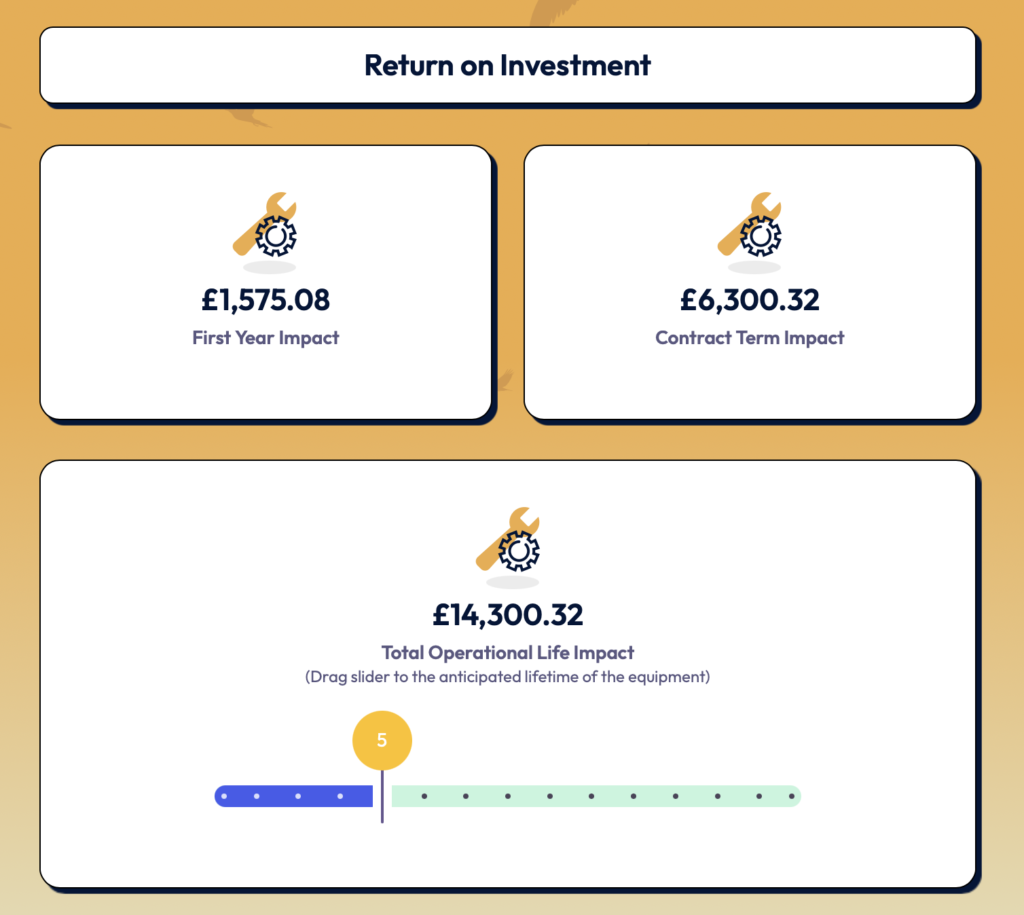
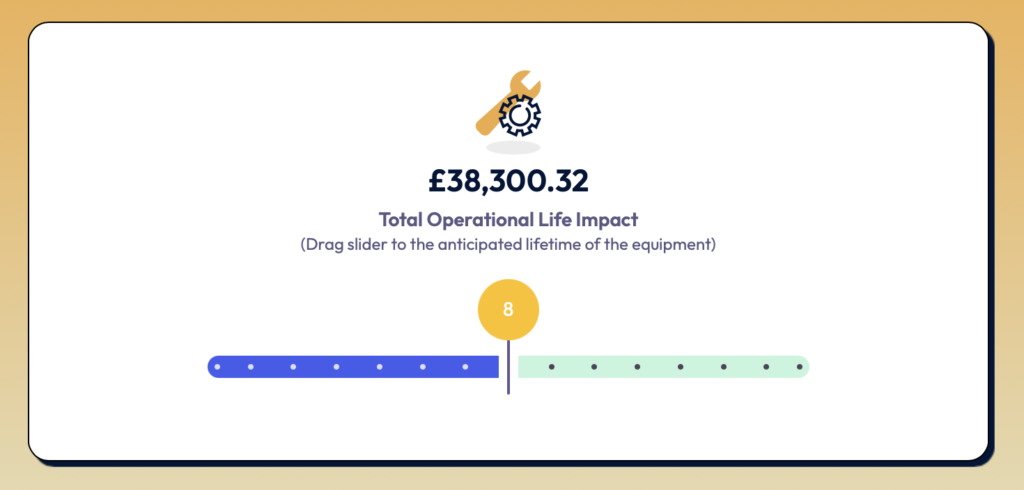
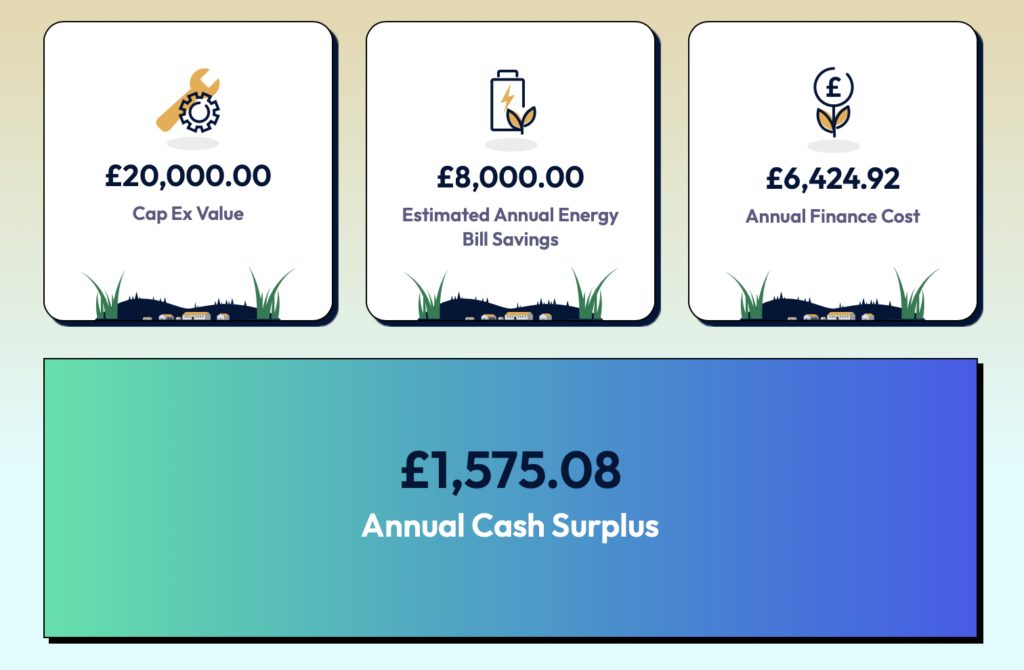
Rather than anchoring proposals on a single payback number, EcoProposals produces a decision-ready quote output that clearly shows the cash-flow impact of an investment across three time horizons that finance teams actually care about.

Short Term: Year-One Cash-Flow Impact
The first question a finance director asks is simple:
“What happens to my cash flow in the next 12 months?”
EcoProposals answers this directly by showing:
- Monthly service cost versus current energy spend
- Net cash-flow position from day one
- Whether the solution is cash-flow neutral or positive in year one
- Impact on operating budgets rather than capital budgets
Mid Term: Contract-Length Certainty
- Total contracted cost versus forecast energy savings
- Price certainty and inflation-protection benefits
- Transfer of performance, maintenance, and uptime risk
- Predictable OpEx treatment over the life of the agreement
Long Term: Asset Life Value Beyond the Contract
- Residual value and post-contract benefits
- Ongoing energy savings once service payments end
- Upgrade and expansion options over time
- The strategic value of energy ownership without upfront risk
The result is a proposal that functions less like a sales quote and more like a board-ready financial summary.
Why PPAs Succeeded, and Where They Fall Short
- Removed upfront capital
- Simplified approval
- Offered long-term price certainty
But PPAs were designed for solar PV only, often tied customers to a single energy provider, and made cross-selling or expanding into other technologies complex or impossible.
As businesses look beyond solar—into batteries, EV charging, LED lighting, HVAC, and other efficiency technologies—the PPA model starts to creak.
The market now needs a broader framework.
Enter Net Zero-as-a-Service (NZaaS)
Net Zero-as-a-Service takes the commercial logic that made PPAs successful and applies it across all renewable and low-carbon assets.
Long-term contracts
Long-term, service-based contracts (up to 25 years)
No Cap-Ex
No upfront capital expenditure
Predictable costs
A single monthly operating cost
All-in-One
Bundled monitoring, maintenance, and lifecycle management
Flexible Upgrades
Flexibility to add or upgrade technologies over time
Cash flow over capital recovery
Risk transfer over asset ownership
Predictability over theoretical upside
Payback becomes irrelevant because there is no capital to pay back.
The Real Shift: From ROI to Decision Certainty
This isn’t about abandoning financial discipline. It’s about recognising that decision certainty now trumps abstract ROI metrics.
Boards want confidence that:
- The solution will work
- The costs are known
- The risks are managed
- The business remains flexible
NZaaS doesn’t win because it’s greener. It wins because it’s easier to approve.
A Challenge to the Market
If renewable sales conversations are still anchored on payback periods, we are solving yesterday’s problem.
- Sell outcomes, not assets
- Structure finance as a service, not a hurdle
- Speak the language of CFOs, not just sustainability teams
In 2025, cash flow, risk transfer, and service-based delivery decide what gets built and Net Zero-as-a-Service is the commercial framework built for that reality.